Getting Outranked Isn’t Fun:
Outranking your business in search results may come down to several factors. Your competitors’ websites may better match what customers are searching for, their Google Business Profiles may provide clearer information, or their businesses may have stronger online recognition. Sometimes, they simply happen to be closer to the person searching.
A higher ranking doesn’t automatically mean they provide better service. But it does mean they have an opportunity to connect with customers before you do.
Before you assume you need a completely new website or a bigger advertising budget, take a closer look at these possible reasons—and what you can do about them.
1. Their Website Matches the Customer’s Search More Closely

Think about the difference between someone searching for “landscaping” and someone searching for “yard drainage installation in Cincinnati.”
A general landscaping page may mention drainage in a list of services. A dedicated drainage page can explain standing-water problems, available solutions, the installation process, and examples of completed projects.
That gives the customer more relevant information. Google recommends using the words people search for in descriptive places such as page titles and main headings. A well-developed service page can also improve your chances of outranking competitors whose content doesn’t fully address the customer’s specific needs.
What you can do: Review your most important services. Does each have a useful page that explains what you do, whom you help, and where you work? Start with a service you want more inquiries about, and make that page genuinely helpful. Including real project photos, customer questions, and examples of local work can further demonstrate your experience and help potential customers feel confident choosing your business.
2. Their Content Answers Questions Yours Leaves Unanswered

Your competitors may be outranking your business on Google because their website content answers important customer questions that yours leaves unanswered.
Generic statements like “Quality service at competitive prices” don’t explain why someone should choose your business. Customers want useful information about pricing, services, appointments, preparation, and available options.
A competitor who provides detailed, helpful answers may gain greater visibility in Google Search and AI-powered search results. Google’s guidance emphasizes original, helpful content that demonstrates firsthand experience and addresses customer needs.
What you can do: Identify five questions customers regularly ask before hiring you. Add clear, informative answers to your service pages, including examples from your experience, helpful FAQs, and links to related blog articles. This strengthens your website content and creates more opportunities to compete for relevant searches.
LDR Design Agency
Schedule a Discovery Session
3. Their Google Business Profile Is More Complete
For local searches, your website is only part of the picture.
Your Google Business Profile helps explain your business category, location, hours, and services. Missing or inaccurate information can make it harder for Google to match your business with relevant searches. Google specifically recommends keeping profile information complete and accurate.
What you can do: Check your primary category, services, hours, phone number, and website link. Add current photos that help customers understand your work. Make sure the information reflects the business you operate today.
4. They Are Closer to the Person Searching
You may appear prominently near your business and much less often across town. That doesn’t necessarily mean something is broken.
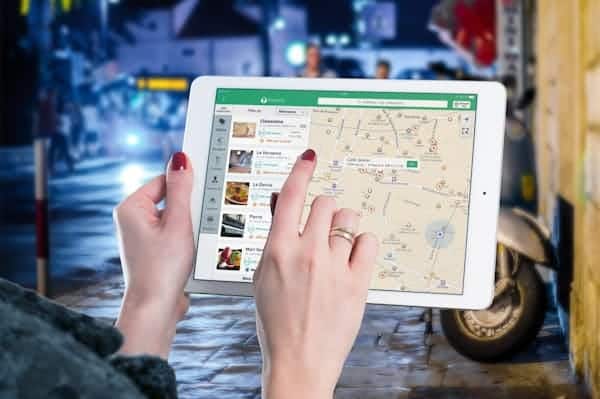
Distance is one of Google’s main local ranking factors, alongside relevance and prominence. A competitor closer to the searcher may have an advantage in Maps.
A local ranking grid (GeoGrid) provides a visual map showing where your business appears in Google Maps results for a specific keyword across multiple geographic points. It can reveal neighborhoods where your business ranks well and areas where competitors are outranking you. Tracking these results over time helps identify changes in local visibility and opportunities to improve your Google Business Profile and website content.
What you can do: Compare visibility across the communities you actually serve. A local ranking grid can help you see how Maps positions vary by location. Use that information to set realistic priorities instead of judging your entire presence from one search on your own phone.
5. Their Reputation Is Better Represented Online

Your business may have loyal customers and years of experience, but how much of that is visible online? Google says reviews, positive ratings, and links from other websites can contribute to local prominence.
What you can do: Make asking for honest customer reviews a consistent part of your follow-up process. Look for legitimate opportunities to be listed or featured through professional associations, community organizations, and business partners.
Also give website visitors evidence they can evaluate: real project photos, accurate credentials, and specific examples of your work.
6. Google May Be Having Trouble Accessing Your Pages
A website can look polished and still have problems behind the scenes.
Important pages may be missing from Google’s index, return errors, or be difficult to discover through your website’s navigation. Google needs to find, crawl, and index a page before it can serve that page in search results. If your important service pages aren’t properly indexed, competitors may be outranking your business simply because their content is accessible to Google while yours isn’t.
What you can do: Have your website provider check whether your priority service pages are indexed and accessible. Confirm that visitors can reach those pages through clear navigation and relevant internal links. Google uses links to discover pages and understand their relationships.
7. Their Search Listing Gives People a Clearer Reason to Click
A vague page title such as “Services” tells a potential customer very little.
A descriptive title such as “Commercial Carpet Cleaning in Cincinnati | Business Name” explains the service and location before someone visits the website. Google recommends page titles that are clear, concise, unique, and accurate.
What you can do: Review the titles of your most important pages. Make sure each describes the actual content and uses language your customers understand. Avoid squeezing every service and nearby city into one title.
Latest Tips and News
Grow and Market Your Business
Where Should You Start?
Choose one valuable service and compare your page with the pages appearing above it. Look for useful differences: clearer explanations, more complete answers, stronger examples, or easier navigation.
Then improve that page, review your Google Business Profile, and check for technical problems that could prevent the page from appearing.
Measure progress through relevant visibility, website inquiries, and calls. A ranking is useful when it helps the right people discover and contact your business.
If you would like help identifying those gaps, LDR Design Agency helps local businesses strengthen their websites and search visibility. Learn more at ldrdesignagency.com.